
Vaping: Safe & Optimized Consumption
Written by Thomas Crouse, PharmD.
Vaping is a method of cannabis consumption that heats products like flower or concentrates to release active compounds as vapor—without burning plant material. Traditionally, the flower is smoked, defined by combustion, in which heat from a flame produces high temperatures. While smoking can cause the product to vaporize, up to 30% may be lost to pyrolysis, reducing the bioavailability of smoked cannabis. Unlike smoking, vaporization occurs at lower temperatures, reducing exposure to harmful byproducts like tar and carcinogens. This creates a smoother inhale and improves efficiency, as less product is lost during the process. Dry herb vaping specifically refers to vaporizing whole cannabis flower rather than concentrated oils. It offers a balanced, full-spectrum experience that closely resembles smoking—without the downsides of combustion. Many vaping devices allow control over the vaporization temperature, offering a safer alternative.
The concept of vaporization has existed in various forms since ancient times. Interestingly, cannabis flowers and seeds were vaporized over hot stones, dating back to the Scythians in 430 BCE. However, modern vaporizers didn’t become popular until the early 21st century. Initially, cannabis vaping devices were bulky and not very discreet, often resembling desktop vaporizers like the Volcano, which debuted in the late 1990s. The technology evolved rapidly, and by the mid to late 2000s, more portable vaporizers began to appear on the market, significantly changing how consumers could ingest cannabis discreetly and efficiently.
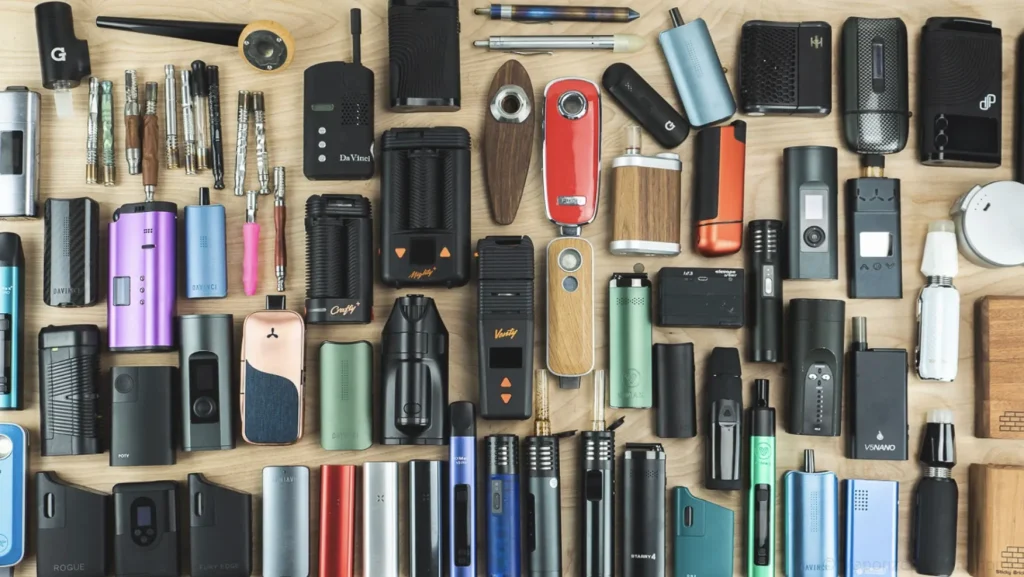
An assortment of modern-day cannabis vaporizers used for concentrates or dry herb.
The development of e-cigarettes by Chinese pharmacist Hon Lik in 2003 was a significant milestone that influenced the industry. Shortly after, this technology was adapted for cannabis consumption, with manufacturers modifying the design to accommodate cannabis extracts. These vaporizers made concentrates desirable for their discretion, portability, potency, and newfound ease of use. The boom in the concentrate market led to the development of various batteries, atomizers, vaporizers, and e-rigs. It is important to note the distinction between nicotine and cannabis vaping, as nicotine solutions must be diluted with dilutents, whereas cannabis oil can be extracted in a pure form and consumed without additives.
Despite public health concerns, vaping has been a critical aspect in changing the public perception of cannabis use. Vaping allows consumers to use their products in a simple yet discreet manner. However, it should be noted that using concentrated oils will lead to higher average doses and increased tolerance. Concerns about vaping safety stem from additives, byproducts, and contaminants in products. In fact, the Vaping Associated Pulmonary Injuries (VAPI), such as popcorn lung (bronchiolitis obliterans), lipoid pneumonia, and collapsed lung (pneumothorax), have all been linked to frequent use of products with harmful additives.
In 2019, a significant health scare, termed EVALI (e-cigarette, or vaping, product use-associated lung injury), highlighted the dangers of unregulated vape products. Many of the products associated with this event were purchased on the black market from unknown online sources. A CDC study found vitamin E acetate in 9 of the 15 products associated with VAPI cases. In these products, vitamin E acetate ranged from 20% to 50% by weight.
Vaping Safety ABC’s
Additives are commonly used for viscosity, vapor production, or flavoring. While many of these additives are FDA-approved for human consumption, they were tested for ingestion and not inhalation. These chemicals can be direct irritants or break down into carcinogens with heating.
- Polyethylene Glycol (PEG)
- Propylene Glycol (PG)
- Vegetable Glycerin (VG)
- Glycerol
- Vitamin E Acetate (VEA)
- Diacetyl
- Medium Chain Triglyceride (MCT) Oil
Byproducts are compounds formed during the breakdown of other chemicals, typically during heating. These byproducts are irritants and carcinogens that contribute to lung damage.
- Formaldehyde
- Acetaldehyde
- Cinnamaldehyde
- Benzoic Acid
- Acrolein
- Benzene
- Ketene
- Acrylonitrile
- Acrylamide
Contaminants are compounds that may become present in cannabis products from environmental exposure or manufacturing processes. Many contaminants are heavy metals from soil, device hardware, or extraction solvents. Using lab-tested products is the best way to ensure contaminants are undetected.
- Lead
- Mercury
- Chromium
- Cadmium
- Arsenic
- Tin
- Copper
- Zinc
- Aluminum
Dry Herb Vaping
Dry herb vaping is considered a premium consumption method and the best way to appreciate quality flower. It offers the benefits of vaping while avoiding the disadvantages of concentrate consumption, allowing the consumer to enjoy the full entourage effect with control over the experience.
Dry herb vaporizers are ideal for:
- Patients sensitive to smoke or lung irritation
- Flavor-focused consumers who value terpene expression
- Lower tolerance users looking for better dose control
- Anyone seeking a more natural, “whole plant” cannabis experience
A dry herb vaporizer typically consists of a heating chamber, a battery, and a mouthpiece. The user grinds the cannabis flowers and places them into the chamber. The device heats the chamber to a user-set temperature (typically 285°F to 428°F, or 140°C to 220°C). The heat releases the active ingredients as vapor, which the user inhales through the mouthpiece. There are numerous brands and designs of dry herb vaporizers on the market – this is one of those products where performance quality correlates to cost. Specifications such as durability, temperature settings, battery life, charging type, and heat output may affect pricing.
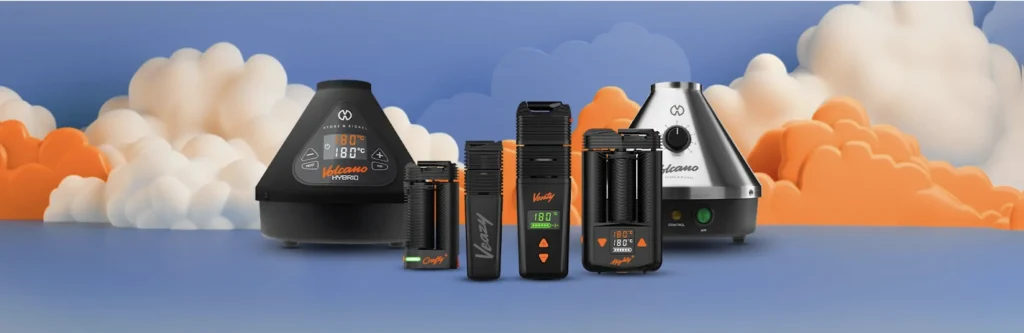
Storz & Bickel is a German company that uses premium medical-grade engineering to deliver durability, consistency, efficiency, and optimized consumption in dry herb vaporizers – from the iconic Volcano desktop vaporizer to the portable Mighty+, Venty, and Veazy.
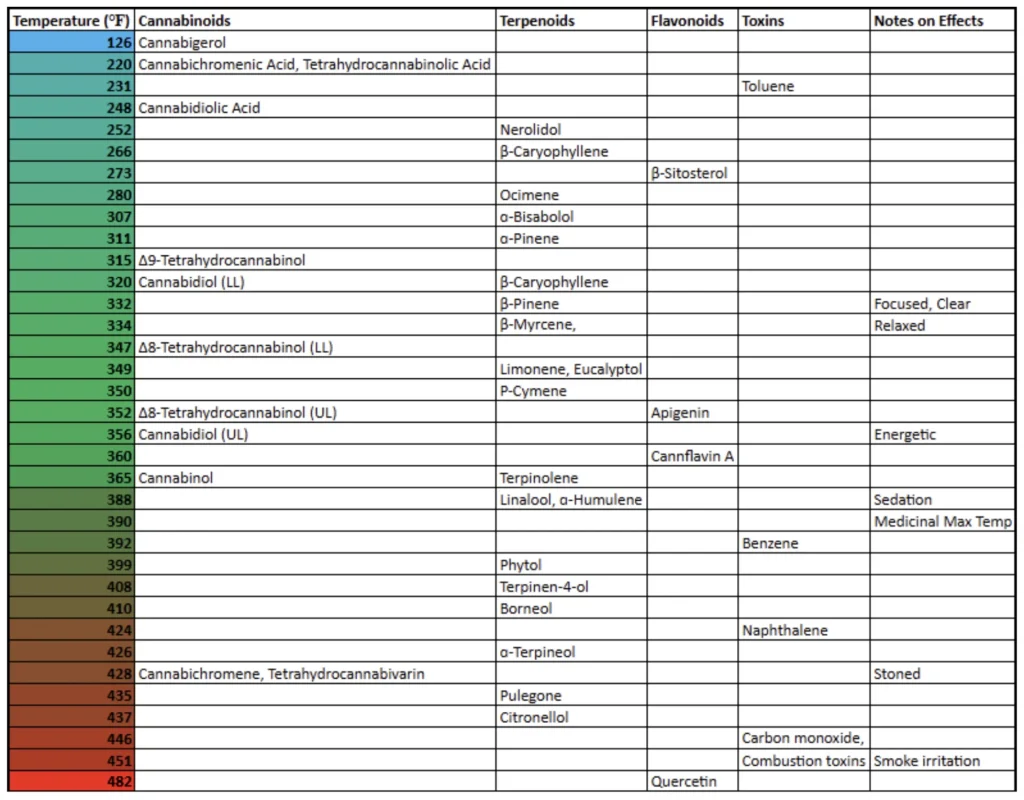
The vaporization temperature directly affects the vaping experience. Cannabinoids and terpenes vaporize at various temperatures. As a result, a temperature modification would allow the user to customize their experience. In general, lower temps are better for daytime, providing a clearer-headed, more focused experience. Conversely, at higher temperatures, cannabinoids like CBN and terpenes like linalool will vaporize, giving a more relaxing/sedating experience. Some toxins, like benzene, naphthalene, and carbon monoxide, can be avoided by vaporizing at temperatures below 400 degrees Fahrenheit. High-end dry herb vaporizers may offer a temperature adjustment so precise vaping is possible (see vaping temperature chart), allowing control of flavor and experienced effects.
Check out our educational material on cannabinoids and terpenes to learn how to customize your experience with dry-herb temperature settings.
Key Takeaways on Vaping Cannabis:
- Vaping heats cannabis without combustion, allowing cannabinoids and terpenes to be inhaled while reducing exposure to harmful byproducts like tar and carcinogens.
- Dry herb vaping uses whole cannabis flower, providing a full-spectrum experience that preserves the plant’s natural cannabinoids and terpenes.
- Temperature control allows you to customize your experience. Lower temperatures emphasize flavor and clarity, while higher temperatures produce stronger and more relaxing effects.
- Dry herb vaping is considered a premium consumption method for consumers who want smoother inhalation, better flavor, and greater control over their cannabis experience. Ideal for those who microdose or are managing tolerance buildup.
- High-quality vaporizers improve efficiency and flavor, and often offer better temperature control, battery life, and overall performance.
- Safety matters when vaping. Avoid products with harmful additives such as PEG, PG, diacetyl, or vitamin E acetate, which may produce toxic byproducts when heated.
- Always choose lab-tested cannabis products to minimize the risk of contaminants such as heavy metals or residual solvents.
1Chadi N, Minato C, Stanwick R. Cannabis vaping: Understanding the health risks of a rapidly emerging trend. Paediatr Child Health. 2020;25(Suppl 1):S16-S20. doi:10.1093/pch/pxaa016
2Gajdosechova Z, Marleau-Gillette J, Turnbull MJ, et al. Evidence That Metal Particles in Cannabis Vape Liquids Limit Measurement Reproducibility. ACS Omega. 2022;7(47):42783-42792. Published 2022 Nov 14. doi:10.1021/acsomega.2c03797
Curious to experience the difference for yourself? Visit a Nova Farms dispensary to explore our selection of edible cannabis products and get personalized recommendations from our team.
Find a Nova Farms location near you!
Vaping Cannabis for Effective Pain Management
Learn how cannabis vaping offers swift pain relief with precise dosing, all grounded in a commitment to quality. Find out

Why Edibles Feel Stronger Than Smoking
Learn why edibles feel stronger than smoking. Explore THC absorption, metabolism, and why effects last longer with edible cannabis.

Nova Farms Is Ready for Memorial Day Weekend: New Britain to Attleboro to Woodbury
Memorial Day weekend brings events, cookouts, and cannabis deals across MA and CT—explore New Britain, Attleboro, and Woodbury with Nova

Best 420 Event in Woodbury, NJ: 420 Deals & Local Fun
Looking for the best 420 event in Woodbury, NJ? Nova Farms is hosting a full week of deals, plus local